Massachusetts Home Repair Grants 2026: Lead, Heat, Senior
Massachusetts homeowners may be able to get help through lead abatement financing, accessibility loans, emergency heating repair programs, USDA repair assistance, and city-run rehabilitation funds. The best option depends on whether the problem involves lead, heating, mobility, health and safety, or a larger structural repair.
This guide covers the main Massachusetts home repair grants and repair assistance options for low-income households, seniors, people with disabilities, and owner-occupants trying to fix urgent problems before costs spiral. If you are searching for active Massachusetts repair help, start with the programs below and match the repair type first.
Who Qualifies for Massachusetts Home Repair Grants?
Most Massachusetts repair programs use the same filters before they approve an application.
- Owner-occupancy: You usually need to live in the property as your primary residence.
- Income limits: Many programs cap eligibility at 50% to 80% of AMI, depending on the city or agency.
- Repair type: The strongest applications involve lead hazards, heating failure, accessibility needs, code issues, or major health and safety problems.
- Property status: Taxes, sewer bills, title issues, and probate problems can block approval even when income qualifies.
- Program structure: Some Massachusetts programs are grants, but many are deferred or forgivable loans. Review the repayment rules before signing anything. You can compare those structures here: pay back home repair grants.
Funding for Health & Safety
Get the Lead Out (GTLO)
Older Massachusetts homes may contain lead-based paint, and eligible property owners may be able to use the Get the Lead Out program to finance required lead hazard reduction work.
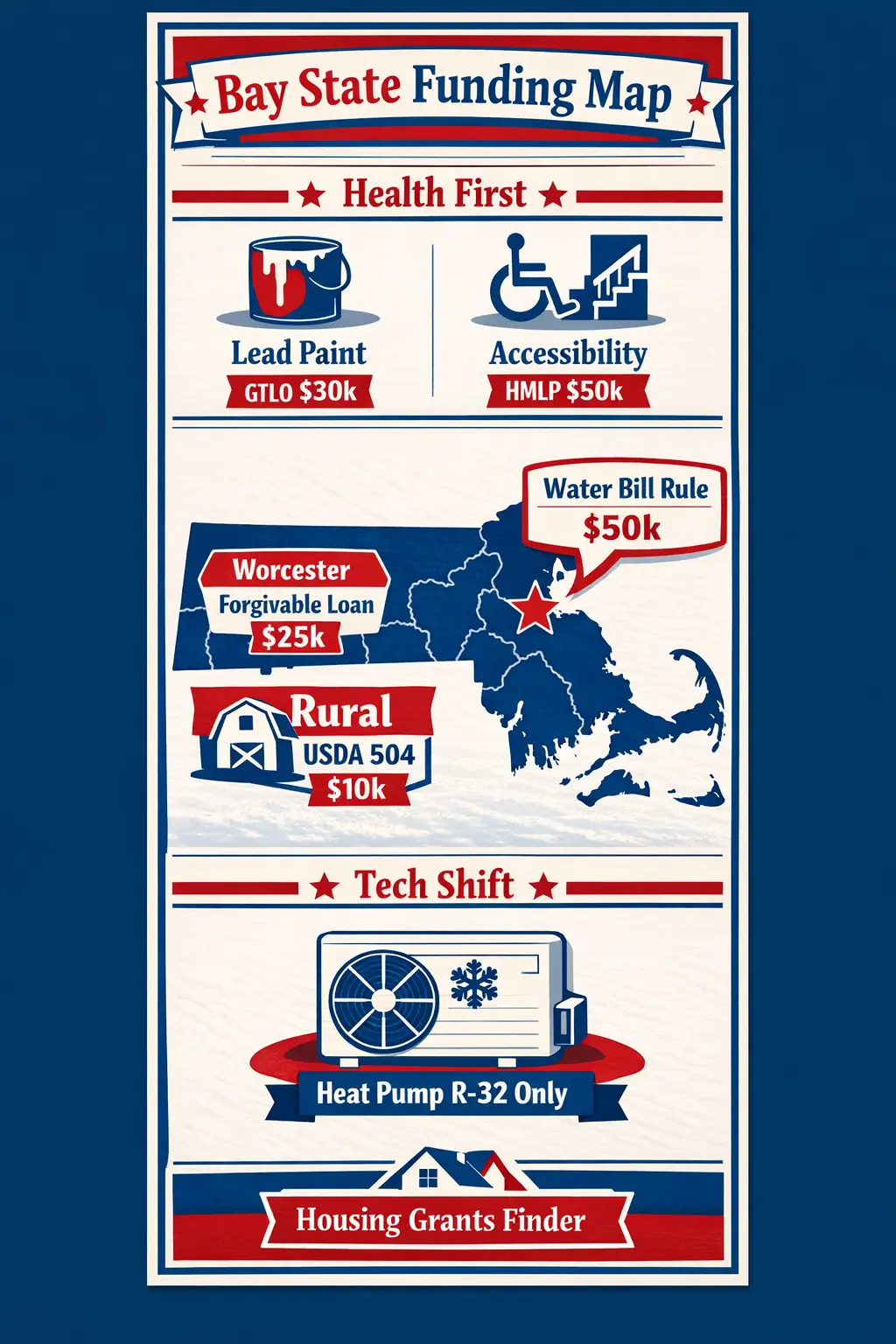
MassHousing’s Get the Lead Out (GTLO) program offers low- or no-interest financing depending on the borrower and property type. Current maximum loan amounts generally range from $30,000 to $45,000, and owner-occupant loans may be structured as deferred-payment financing.
- The Eligibility: You must be the owner-occupant or an investor renting to income-eligible tenants.
Important: Contact a participating Local Rehabilitation Agency before beginning deleading work. Program approval, eligible costs, contractor requirements, and the timing of work should be confirmed before you commit to a project.
Link: MassHousing Lead Removal Portal
Home Modification Loan Program (HMLP)
The Home Modification Loan Program (HMLP) provides zero-interest, deferred-payment financing for eligible Massachusetts households that need accessibility modifications related to disability, functional needs, or aging in place.
HMLP can provide up to $50,000 for property owners and up to $30,000 for owners of manufactured/mobile homes.
- Use for: Ramps, walk-in showers, stairlifts, or even specialized sensory rooms. (More on senior grants).
Important: HMLP is for accessibility-related modifications, not general home rehabilitation. Massachusetts specifically lists ordinary window, roof, heating, and septic repairs as ineligible. Eligible work can include ramps, accessible bathrooms, lifts, sensory or therapy spaces, and other approved modifications.
Link: CEDAC Home Modification Info Mass.gov HMLP
Energy Pivot: Don’t Get Left in the Cold
In 2026, Massachusetts officially shifted away from traditional fossil-fuel incentives. Funding for oil furnaces has declined, while funding for heat pumps remains active but requires new technical standards.
The Mass Save Heat Pump Shift
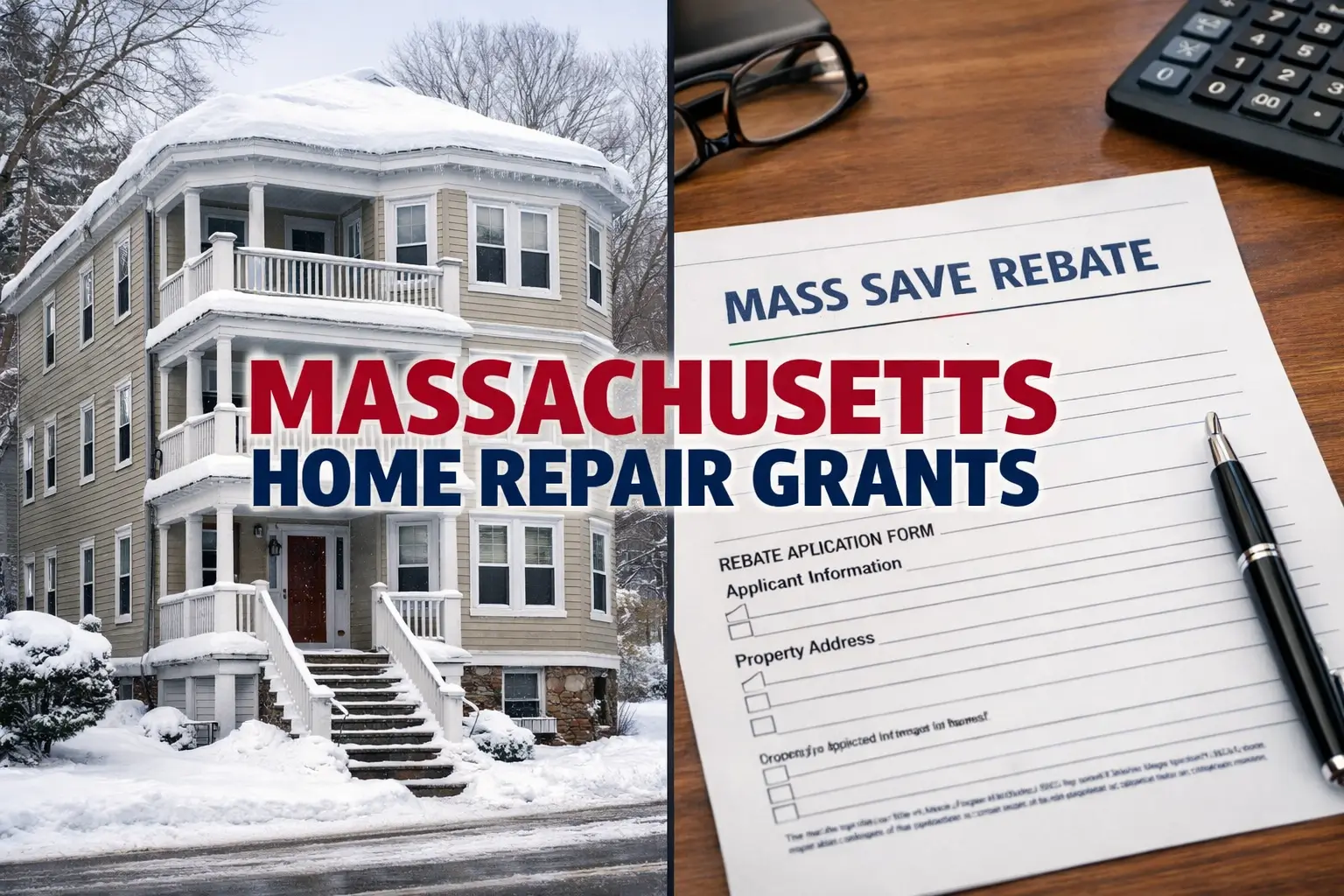
The 2026 rebates are still high, but the qualifying rules changed on January 1st. Up to $8,500 for whole-home heat pump conversions.
- Tech Rule: Systems using legacy R-410A refrigerant are now ineligible for the rebate list. For 2026 rebates, verify that the equipment appears on the current Mass Save Heat Pump Qualified Product List. Most new residential split systems using R-410A have been removed under the refrigerant transition, although limited equipment exceptions may apply.
- Federal tax credit: The federal Energy Efficient Home Improvement Credit is no longer available for qualifying property placed in service after December 31, 2025. Massachusetts homeowners should instead check current Mass Save rebates, income-based incentives, financing, and other applicable state or utility programs. (heating and cooling assistance options)
Link: Mass Save 2026 Heat Pumps
The HEARTWAP Shortcut
If an eligible homeowner has a defective or unsafe heating system, HEARTWAP may provide emergency heating-system repair or replacement assistance. The program is administered through local agencies, often the same organizations that administer Massachusetts Home Energy Assistance (HEAP).
- Eligibility: Households generally must qualify for HEAP and have gross annual income at or below 60% of Massachusetts Estimated State Median Income.
- How to apply: Contact the local Home Energy Assistance agency serving your city or town. The HEAP application is also used to determine HEARTWAP eligibility.
Link: Mass.gov HEARTWAP
If You Need Emergency Heating or Safety Help First
If the problem is urgent, do not start with the slowest statewide pathway. Start with the program that matches the actual hazard.
- Dangerous or failed heating system: Ask about HEARTWAP first, not standard weatherization.
- Fuel assistance household: If you already receive fuel help, you may be closer to emergency repair approval than you think. Review the program path here: LIHEAP emergency furnace repair.
- Lead, mold, radon, or indoor air issue: Start with the health and safety pathway, not a general rehab application.
- Roof or system failure in a city program area: Check the local city or nonprofit repair route before assuming the state is the best entry point.
Regional & City Comparisons: Where the Money Hides
Localized Community Development Block Grants (CDBG) are often easier to get than state-wide loans because your neighbors manage them.
Best Massachusetts Repair Help for Seniors and Disability Access
Massachusetts is one of the stronger states for households that need accessibility-related repairs or aging-in-place modifications.
- HMLP: Best for ramps, stairlifts, walk-in showers, and other disability-related changes.
- Boston and Worcester senior repair programs: Strong local options for older homeowners who need major systems or safety work.
- USDA Section 504 home repair program: Best rural fallback for homeowners age 62+ who need health and safety repairs.
- Bathroom safety and mobility upgrades: If your priority is safer bathing or accessibility, compare options here: grants for walk-in tubs and bathroom safety.
The Boston Water Rejection
Boston Senior Home Repair applicants must be current on their property taxes and payments to the Boston Water and Sewer Commission. Check these accounts before applying so an outstanding balance does not delay eligibility review.
The Navigator Eligibility Filter
Before applying, check the eligibility rules for the specific program because Massachusetts repair programs do not all use the same income standard.
The Income Thresholds (AMI)
Many locally funded rehabilitation programs use HUD Area Median Income limits, often around 80% AMI, while programs such as HEAP and HEARTWAP use State Median Income rules and USDA Section 504 uses very-low-income limits. Always check the current limit for your household size and location.
The Historical Commission Delay
If your property is located in a local historic district, exterior work such as windows, siding, porches, or roofing may require additional local review. Check with your city or town’s historical commission before starting work or finalizing a repair project.
How to Apply: The Step-by-Step Action Plan
Step 1: Match the repair to the correct program. For lead hazards, start with MassHousing’s Get the Lead Out network. For accessibility modifications, check HMLP. For an unsafe heating system, contact your local HEAP/HEARTWAP agency. Rural homeowners can check USDA Section 504, while general structural repairs may be handled by a city or local housing rehabilitation program.
Step 2: Verify current eligibility before starting work. Check income limits, owner-occupancy rules, property-location requirements, eligible repair types, and whether the local agency is currently accepting applications. Do not assume work already completed will qualify for reimbursement.
Step 3: Gather the documents requested by the program. Depending on the program, this may include proof of ownership, household income, identification, current benefit documentation, repair estimates, property information, and proof that required municipal accounts are current.
FAQs
Is there a Massachusetts roof relief program in 2026?
Massachusetts does not have one universal statewide program officially called a “roof relief program.” Roof repair or replacement may be covered through eligible local rehabilitation programs, Boston or other city repair programs, or USDA Section 504 for qualifying rural homeowners. Assistance depends on income, location, repair need, property rules, and available funding.
Can a mobile or manufactured home qualify for repair help?
Yes. HMLP can provide up to $30,000 for owners of manufactured/mobile homes when the household and proposed accessibility modification meet program requirements. Other repair programs may use different property-type rules.
Can landlords use Massachusetts home repair assistance?
Some programs may allow landlord participation. GTLO can serve eligible property owners, including certain investor-owned properties with income-eligible tenants. Many other programs focus on owner-occupants, so check the specific program rules.
How do I apply for HEARTWAP?
Contact the local Home Energy Assistance agency serving your city or town. Households generally must qualify for HEAP, and the HEAP application is also used to determine HEARTWAP eligibility.
Does HMLP pay for roofs or heating repairs?
No. HMLP is for accessibility-related modifications, not general home rehabilitation. Massachusetts specifically lists ordinary window, roof, heating, and septic repairs as ineligible.
Do Massachusetts repair programs have to be repaid?
It depends on the program. Some local programs provide grants, while others use 0% deferred or forgivable loans. Review the repayment and forgiveness terms before signing anything.
Conclusion
Massachusetts home repair funding is less about one big statewide grant and more about choosing the right track early. If the problem is lead, heating, accessibility, or urgent health and safety, start with the program built for that issue instead of filing weak general applications everywhere. Keep your taxes current, clear your title issues first, and make sure your income paperwork is current before you apply.
For more help, explore our housing grants finder.